Are you dreaming of visiting Japan but worried about the costs? Good news! You can explore this amazing country without spending a fortune. This guide will show you exactly How to Travel Japan on a Budget while still enjoying everything Japan has to offer.
1. Choose the Right Time to Visit
One of the biggest ways to save money starts before you even book your trip. The time of year you visit Japan makes a huge difference in your travel costs.
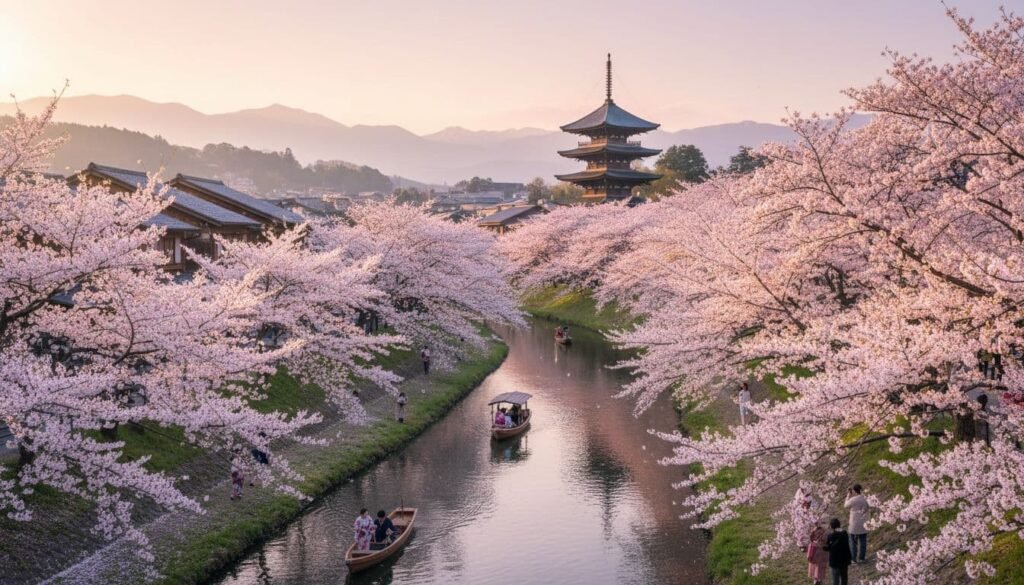
Peak Season (Expensive):
- March to April (cherry blossom season)
- Late November to early December (autumn leaves)
- January to February (ski season in certain areas)
Off-Season (Budget-Friendly):
- May
- September to October
The off-season months offer the best weather without the crowds and high prices. May and September have comfortable temperatures, less rain, and much cheaper accommodation. You can save hundreds of dollars just by picking the right travel dates.
Avoid June and July if possible, as this is the rainy season. August through October brings typhoons, and summer months get extremely hot. But if you’re flexible, these off-peak times mean big savings.
2. Eating Well Without Spend a lot of money
Food is one of the best parts of visiting Japan. The good news? You don’t need to spend a lot to eat amazing meals.
Try Chain Restaurants
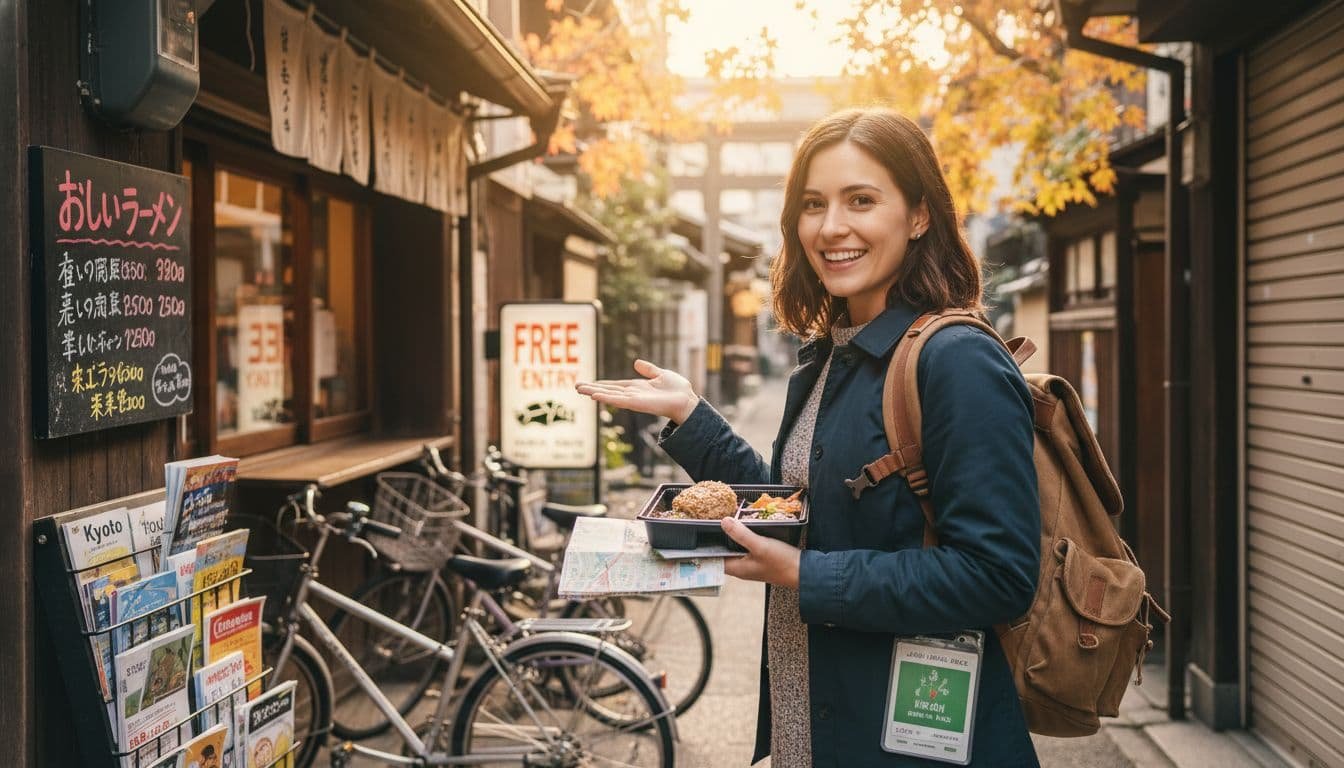
Japanese chain restaurants serve surprisingly good food. Unlike fast food in other countries, Japanese chains maintain high quality standards. You can get a complete meal for 500 to 1,000 yen (about $5-10).
Popular options include:
- Sushi chains
- Ramen shops
- Beef bowl restaurants
- Curry houses
Everything tastes fresh and delicious, especially if it’s your first time in Japan.
Family Restaurants Are Your Friend
Family restaurants in Japan are designed for people who want good food at low prices. They usually offer:
- Free Wi-Fi
- Drink bars with unlimited refills
- Large seating areas
- Menus with Japanese, Italian, and American-style food
- Very affordable prices
These restaurants are perfect for budget travelers who want to relax and plan their next adventure.
Eat Lunch Instead of Dinner
Here’s a insider tip: Many restaurants in Japan offer special set meals at breakfast and lunch that cost much less than dinner.
For example, a fancy restaurant might charge $150 for dinner but only $50 for lunch with the same quality food. Coffee shops offer morning specials where you buy coffee and get free bread and eggs. Always look for lunch specials to get more value for your money.
Visit Local Neighborhood Shops
Skip the tourist areas and find small family-owned restaurants where locals eat. These mom-and-pop shops serve authentic home-style cooking at much lower prices than downtown restaurants. If you see locals eating somewhere, it’s probably both delicious and affordable.
Budget-Friendly Izakaya
Izakaya are Japanese-style pubs where people gather to eat and drink. While some can be expensive, chain izakaya like Torikizoku offer everything on the menu for about 200-300 yen per item. University students love these places because you can eat and drink well for around 2,000 yen total.
Watch out for table charges at some izakaya. These are entry fees that some places charge. Stick to chain izakaya to avoid surprise charges.
Station Standing Restaurants
Inside many train stations, you’ll find standing restaurants that serve udon, ramen, or soba noodles. These quick meals cost only 300-600 yen and give you plenty of energy. They’re perfect when you’re in a hurry or between train rides.
Supermarket Shopping Strategy
Here’s one of the best money-saving secrets: Visit supermarkets about an hour before closing time (usually 9-11 PM). Fresh food items get marked down by 50-60% off the regular price. You can buy bentos (boxed meals), onigiri (rice balls), and side dishes for half price.
Some travelers make their own poke bowls by buying rice, raw fish, vegetables, and soy sauce from the supermarket. It’s much cheaper than restaurant poke bowls and just as tasty.
Convenience Stores: Use Wisely
Convenience stores are famous in Japan, but they’re not always the cheapest option. The food portions are small, so you’ll get hungry again quickly. They’re great for snacks and trying new things, but don’t rely on them for every meal.
One exception: Convenience store coffee. Instead of paying 300-900 yen at coffee shops, get fresh coffee from convenience store machines for only 90-250 yen. 7-Eleven has the best coffee among all convenience stores.
Street Food Adventures
Street food lets you try many different Japanese treats without spending too much. Look for street food in popular areas. Sometimes street vendors offer better deals than regular shops. For example, taiyaki (fish-shaped cakes) cost less from street stalls than from bakeries.
What to Avoid
- Don’t buy all your food from convenience stores or vending machines
- Avoid restaurants in heavy tourist areas (they charge more and often taste worse)
- Be careful with all-you-can-eat and all-you-can-drink deals (most people don’t get their money’s worth)
3. Use Cheap Transport Options
Transportation can eat up your budget quickly if you’re not careful. But there are plenty of ways to travel around Japan affordably.
Train Passes: Do Your Research
The famous JR Pass (Japan Rail Passes) recently increased in price by about 70%. Before buying any train pass, calculate if you’ll actually save money. Sometimes buying individual tickets costs less than a pass.
One great option is the Plato Kodama ticket. This special ticket takes you from Tokyo to Kyoto on a slower bullet train. It takes about 60 minutes longer than the fastest train but saves you 2,000-4,000 yen per trip. You also get a free drink included. Just remember to book at least 24 hours before your travel date.
Day Passes Can Save Money
Many cities offer day passes for buses and trains. However, Japan has many different train companies, especially in big cities like Tokyo. Make sure the day pass covers the train lines you’ll actually use that day. Otherwise, you’re wasting money.
Skip Taxis (Usually)
Taxis in Japan are expensive. Uber is even more expensive than regular taxis. Only use taxis when you’re in a group and can split the cost, or in cities like Kyoto where buses are difficult to use.
Overnight and Day Buses
Night buses from Tokyo to Osaka or Kyoto cost only 3,000-6,000 yen compared to 14,000-15,000 yen for bullet trains. That’s huge savings! The downside is losing a night of sleep.
However, day buses are often even cheaper than night buses and much more comfortable. You can look out the window, arrive feeling rested, and still save money. If you have extra time in your schedule, day buses are perfect for budget travelers.
Choose the Right Airport
Tokyo has two international airports: Haneda and Narita. Haneda is much closer to the city center and costs about 750 yen to reach by train. Narita costs about 3,000 yen to reach. That’s a 6,000 yen difference for a round trip! Always try to fly into Haneda if possible.
Low-Cost Airlines
Budget airlines like Zipair offer much cheaper flights within Japan and to nearby countries. The quality is often surprisingly good. Just remember that you’ll pay extra for checked baggage, so pack light or choose a regular airline if you’re buying lots of souvenirs.
Bicycle Rentals
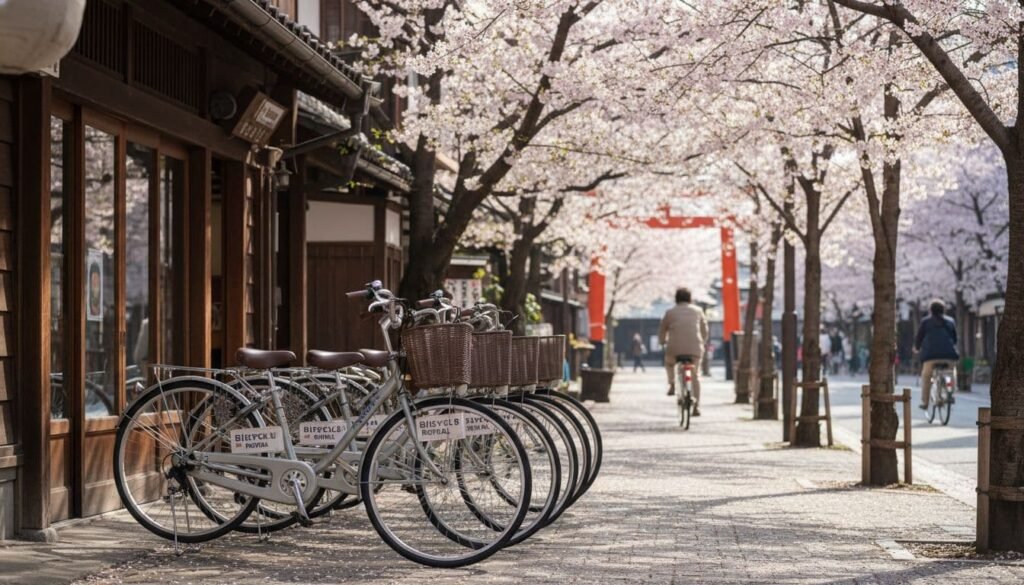
Renting bicycles is a fantastic way to explore Japanese cities. Companies like Loop let you rent bikes for only 200-300 yen per 30 minutes. You can quickly get around town while enjoying the fresh air and discovering hidden spots.
Walking Is Free
Japan’s cities are very walkable. You can walk between many popular areas in under an hour. Walking from Shibuya to Harajuku, or Tokyo Station to Ginza, gives you a chance to see neighborhoods that tourists usually miss. Plus, it’s completely free and great exercise.
4. Use Affordable Places to Stay
Accommodation costs add up fast, so choosing the right place to stay matters a lot.
Types of Accommodation
From cheapest to most expensive:
- Hostels
- Capsule hotels
- Business hotels
- Regular hotels
- Traditional ryokan inns
Modern Hostels Are Great
Japan has many modern, clean hostels that offer excellent value. Many hostels now have private rooms with traditional tatami floors and futon beds. You get the authentic Japanese experience without the high ryokan prices.
Some hostels require you to make your own bed and share bathrooms, but they’re perfect if you want to meet other travelers and save money.
Capsule Hotels: An Experience
Capsule hotels are famous in Japan, but they’ve become more expensive because tourists want to try them. They’re worth experiencing once, but shop around for deals. Some capsule hotels cost almost as much as regular hotel rooms.

Booking Strategies
- Book early for the best prices
- Use websites that allow free cancellation so you can re-book if prices drop
- Stay slightly further from train stations to save money (but calculate train costs)
- Choose cheaper neighborhoods like Asakusa instead of Shibuya or Shinjuku
- Consider if saving on accommodation means spending more on train fare
Do Your Own Laundry
Coin laundries are everywhere in Japan. Many hotels have them built-in. You’ll pay about 400-500 yen to wash clothes and another 400-500 yen to dry them. This saves a lot compared to hotel laundry services.
Skip Breakfast Packages
Hotels often charge 2,000-3,000 yen for breakfast. You can eat a better breakfast at a local café for 500 yen or less. Don’t pay for hotel breakfast unless it includes something special you really want to try.
5. Try Free and Cheap Activities
Japan offers countless activities that cost little or nothing. You don’t need to visit expensive theme parks to have an amazing time.
Free Attractions
Temples and Shrines: Most temples and shrines are free to enter, including famous ones like Meiji Jingu Shrine in Tokyo and Fushimi Inari in Kyoto. These beautiful places let you experience Japanese culture and history without spending a yen.
Parks and Gardens: Tokyo has many free parks like Ueno Park and Yoyogi Park. Other gardens like Shinjuku Gyoen only cost 500 yen. These peaceful spaces are perfect for relaxing.
Observation Decks: While Tokyo Skytree and Shibuya Sky charge admission, several observation decks are completely free. The Tokyo Metropolitan Government Building offers amazing views at no cost.
Festivals: Japan hosts festivals throughout the year. Most are free to attend. You can watch traditional dances, see amazing decorations, and experience Japanese culture. Only pay if you want to buy food or souvenirs.
Imperial Palaces: The Imperial Palace grounds in Tokyo and Kyoto are free to explore and offer beautiful gardens and historical buildings.
Cheap Activities
Hiking: Japan has incredible hiking trails. Most are completely free except for transportation costs. Mount Takao near Tokyo offers beautiful nature just a short train ride from the city. Mount Fuji requires a small climbing fee, but there are hundreds of other free mountains to explore.
Hot Springs (Onsen): You can enjoy authentic onsen experiences for less than 500 yen at local bath houses. “Super sento” facilities charge 1,000-2,000 yen for all-day access. You can relax in hot baths, read manga, and eat affordable meals. It’s a truly Japanese experience that won’t hurt your wallet.
Museums: Many smaller museums cost only 500-1,000 yen. The Ghibli Museum is 1,000 yen (though booking is difficult). Free museums include the Suginami Animation Museum.
Amusement Centers: Places like Round One charge 2,000-3,000 yen for all-day access to bowling, arcade games, karaoke, and more. If you enjoy arcade culture, spend a few hundred yen trying crane games and photo booths.
Karaoke: Visit karaoke places on weekday afternoons for the cheapest rates. All-day rates can be as low as 1,500 yen plus 700 yen for unlimited drinks. You can sing for hours without spending much.
Booking Tips
When visiting popular attractions that do cost money (like teamLab or Shibuya Sky), always book online in advance. You’ll save money, guarantee entry, and avoid long lines.
6. Use Smart Shopping Strategies
Shopping in Japan is exciting, but it’s easy to overspend. Here’s how to get great items without emptying your wallet.
Tax-Free Shopping
As a tourist, you can shop tax-free at eligible stores. Carry your passport and spend at least 5,000 yen to qualify. The tax savings add up quickly!
Secondhand Shopping Is Amazing
Japan’s secondhand shops offer incredible deals on quality items. Popular chains include:
- Book Off (books, manga, CDs, DVDs)
- Mode Off (fashion and accessories)
- Hard Off (electronics and instruments)
- Treasure Factory
- Second Street
You’ll find clothes, books, cameras, video games, and more at fraction of retail prices. The items are usually in excellent condition because Japanese people take good care of their belongings.
Flea Markets
Weekend flea markets in Japanese cities sell antiques, vintage kimonos, and unique items. Kimonos that cost 5,000-10,000 yen in tourist shops go for 500 yen at flea markets. It’s treasure hunting at its best!
Budget-Friendly New Items
Uniqlo: This Japanese clothing brand offers high-quality basics at low prices. Their HeatTech winter clothing is especially popular and affordable.
Don Quijote (Donki): This discount store sells everything from food to beauty products to electronics. It’s tax-free and has reasonable prices, though it can feel overwhelming because it’s packed with products.
100 Yen Stores: Daiso and similar stores sell countless useful items for just 100 yen each. They’re perfect for souvenirs, snacks, and travel accessories. Standard Products (Daiso’s fancier version) sells items for 300-700 yen.
Drugstores: Regular pharmacies sell Japanese beauty products, snacks, and toiletries at local prices. They’re cheaper than tourist-focused shops.
Shopping Tips
- Buy souvenirs in town, not at the airport (airport prices are much higher)
- Shop at supermarkets for food souvenirs
- Look for secondhand camera stores if you want photography equipment
- Check if popular secondhand areas have become overpriced for tourists
Final Tips for Budget Travel Success
Traveling Japan on a budget is absolutely possible with smart planning. Remember these key points:
- Visit during off-season months (May or September-October)
- Eat at Japanese chain restaurants and get lunch specials
- Use buses and walk instead of taking taxis
- Stay in hostels or business hotels
- Enjoy free attractions like temples, shrines, and parks
- Shop at secondhand stores and 100-yen shops
- Book activities online in advance
- Buy food at supermarkets before near closing time.
Japan offers amazing experiences for travelers on any budget. You don’t need to spend a fortune to eat delicious food, see beautiful places, and create wonderful memories. With these money-saving strategies, you can explore Japan without financial stress.
Start planning your affordable Japanese adventure today. The Land of the Rising Sun is waiting for you, and it doesn’t have to cost a fortune!