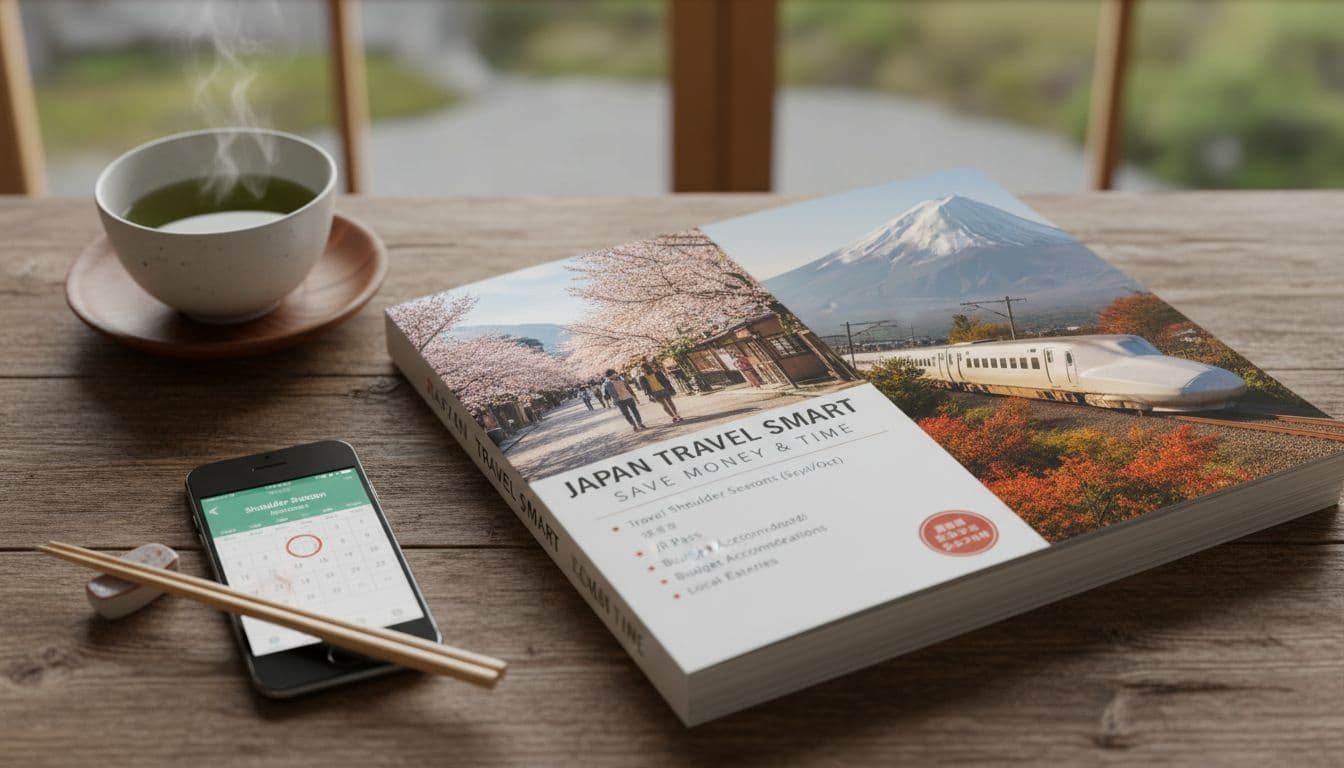
Planning a trip to Japan? You’re in for an amazing adventure! Japan is a beautiful country with so much to see and do. But traveling can get expensive and stressful if you don’t know the right tricks.
Many travelers make simple mistakes that cost them extra money and waste precious vacation time. The good news is that you can avoid these problems with some smart planning. Whether this is your first visit or you’ve been to Japan before, these tips will help you travel smarter.
In this guide, you’ll learn five practical ways to save money and time during your Japan trip. These aren’t complicated strategies that require lots of planning. They’re simple ideas that anyone can use. From finding cheaper ways to carry your souvenirs home to making the most of your travel days, these tips will help you enjoy your vacation more.
Let’s look at 5 proven strategies that will make your Japan trip easier, cheaper, and more enjoyable.
1. Buy Shipping Boxes Instead of Extra Luggage
One of the biggest mistakes travelers make in Japan is buying an extra suitcase for all their shopping. It seems like a good idea at first. After all, Japan has amazing shopping, and you’ll probably want to bring home lots of souvenirs, snacks, and other items.
The problem is that buying a new suitcase in Japan is expensive. A medium-sized suitcase at popular stores can cost 16,000 yen or more (around $110). That’s a lot of money to spend on something you’re only using once to carry stuff home. Plus, these suitcases aren’t always good quality.
Here’s a Better Solution
Instead of buying a suitcase, visit a shipping company like Yamato Transport or Sagawa. These companies sell heavy-duty cardboard boxes that you can use just like a suitcase. The boxes are strong enough to check at the airport and cost much less than a real suitcase.
How Much Does It Cost?
A size 12 box (about the size of carry-on luggage) costs only 260 yen, which is around $1.79. The dimensions are 38cm × 53cm × 29cm. If you need something bigger, a size 14 box (about the size of a medium suitcase) costs 370 yen, or about $2.53. The size 14 measures 40cm × 60cm × 40cm.
Does It Really Work?
You might think this sounds cheap or like the box won’t survive the trip. But these boxes are designed for shipping and are very strong. Many travelers have used this method for years without any problems. The boxes arrive at their destination in good condition.
How to Use This Method
First, find the nearest Yamato Transport office. They have locations in almost every city in Japan. Buy the boxes you need based on how much shopping you plan to do. You can pack your souvenirs in the boxes and either ship them to your hotel or check them at the airport.
If you ship the boxes to your next hotel, you can travel light between cities. This makes moving around Japan much easier. When you’re ready to go home, you can check the boxes at the airport just like regular luggage.
How Much Can You Save?
If you buy a medium suitcase for 16,000 yen and use boxes that cost 370 yen instead, you save about 15,630 yen (around $107). That’s money you can spend on food, attractions, or more souvenirs!
This simple trick has helped countless travelers save money. The boxes might not look fancy, but they work perfectly and cost almost nothing.
2. Book Private Airport Transfers
Getting to and from the airport in Japan can be challenging, especially if it’s your first visit. After a long international flight, the last thing you want is to deal with crowded trains and complicated transfers with all your luggage.
Why Airport Transfers Are Worth It
Most visitors take the express train from the airport to their hotel. While trains in Japan are clean and efficient, they can be very crowded. You’ll need to carry your luggage on the train, through busy stations, and then figure out how to get to your hotel. This can be exhausting after a long flight.
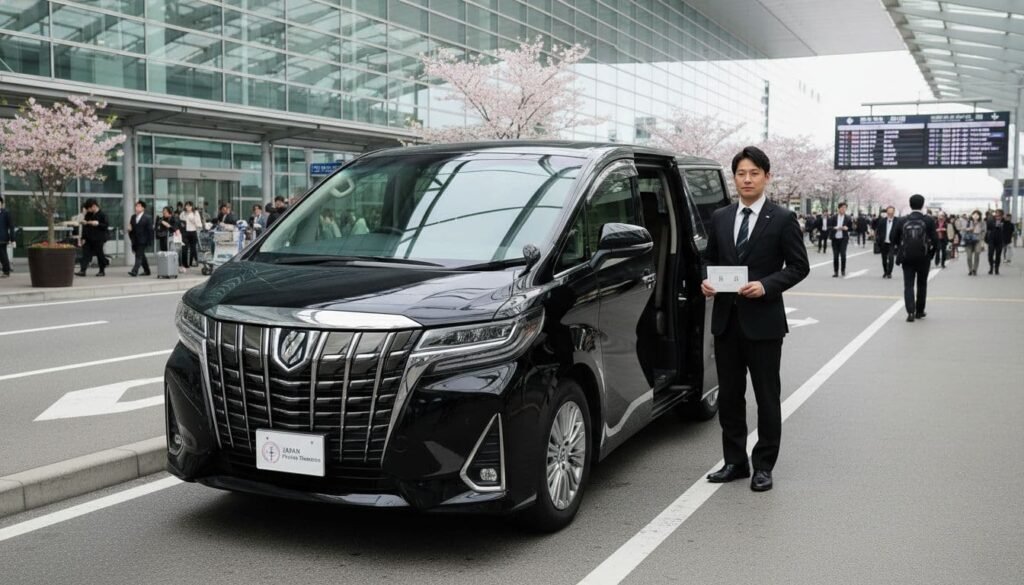
A private transfer is different. A driver meets you at the airport, helps with your luggage, and drives you directly to your hotel in a comfortable vehicle. No crowds, no confusion, and no stress.
Is It Really More Expensive?
You might think private transfers are too expensive, but the cost difference is often smaller than you’d expect. In many cases, especially for groups or families, the price is similar to taking the express train.
Let’s Look at an Example
Imagine four adults arriving at Narita Airport. Their hotel is near Tokyo Station. The Narita Express train costs 3,070 yen per person. For four people, that’s 12,280 yen total.
A private transfer from Narita Airport to Tokyo Station costs about 13,611 yen. That’s only 1,331 yen more than the train (less than $10 difference). But with a private transfer, the price stays the same whether you have four, five, or even six people.
Benefits of Private Transfers
The driver will help you load your luggage and take you directly to your hotel door. You don’t have to figure out train routes or carry heavy bags through crowded stations. After a long international flight, this convenience is worth the small extra cost.
Private transfers work especially well if you’re traveling with family, in a group, or have a lot of luggage. The more people in your group, the better the value becomes.
How to Book
You can book private airport transfers through websites like Klook or other private taxi services. Make your reservation before you leave home so everything is arranged when you arrive. The driver will have your name and will meet you at a designated area.
This simple upgrade makes the start and end of your trip much more pleasant. You’ll arrive at your hotel relaxed and ready to enjoy Japan instead of tired and stressed from navigating trains.
3. Choose Multi-City Flights to Save Time
Most people visiting Japan follow a popular route called the “Golden Route.” They fly into Tokyo, visit Kyoto and Osaka, then return to Tokyo to fly home. Or they do the opposite: arrive in Osaka, visit Kyoto and Tokyo, then go back to Osaka.
This might seem logical, but it wastes a lot of valuable vacation time and money.
The Problem with Round-Trip Flights
If you fly round-trip to Tokyo but end your trip in Osaka, you have to travel back to Tokyo before your flight home. This takes an entire day that you could spend enjoying Japan. You also have to pay for the transportation back to Tokyo, which isn’t cheap.
A Better Way: Multi-City Flights
Instead, book a multi-city flight (also called an open-jaw ticket). Fly into one city and out of another. For example, fly into Tokyo and return home from Osaka. This saves you time and often saves money too.
How Much Time Do You Save?
Taking the bullet train (shinkansen) from Osaka to Tokyo takes about 2.5 to 3 hours. Then you need another hour or more to get from Tokyo to the airport. That’s at least half a day of travel, but realistically, you’ll lose a whole day when you factor in packing, checking out of your hotel, and getting to the airport early.
With a multi-city flight, you can spend that last day shopping, sightseeing, or enjoying one final meal in Japan.
What About the Cost?
Let’s compare the costs. The bullet train from Osaka to Tokyo costs about 13,800 yen. Getting from Tokyo to the airport costs another 3,700 yen or more. That’s 17,500 yen (around $120) just for transportation back to your starting point.
Now let’s look at flight prices. A round-trip flight from Los Angeles to Tokyo might cost $807. The same airline might charge $1,010 for a multi-city flight (into Tokyo, out of Osaka). That’s $203 more for the flight.
But remember, you save 17,500 yen ($120) by not traveling back to Tokyo. So the real extra cost is only about $83. Would you rather save $83 and lose a full day of your vacation? Or spend $83 and have an extra day to enjoy Japan?
More Flexibility
Multi-city flights give you more freedom in planning your route. You can visit multiple cities without backtracking. This works for any combination of cities, not just Tokyo and Osaka. You could fly into Tokyo and out of Fukuoka, or into Sapporo and out of Tokyo.
Sometimes It’s Even Cheaper
Depending on which airline and dates you choose, multi-city flights are sometimes actually cheaper than round-trip tickets. It’s worth checking both options when you book.
How to Book Multi-City Flights
Use flight search engines like Google Flights. Instead of selecting “Round Trip,” choose “Multi-City” or “Open Jaw.” Enter your departure city, first destination (like Tokyo), and return city (like Osaka). The search engine will show you all available options.
By planning your flights this way, you maximize your time in Japan and create a more efficient travel route. Every day of vacation is precious, so don’t waste one traveling back to where you started!
4. Shop Smart at Electronics Stores
When it comes to shopping in Japan, don’t limit yourself to small souvenir shops. Two major stores offer amazing deals on everything from electronics to toys: Yodobashi Camera and Bic Camera.
More Than Just Cameras
Despite having “camera” in their names, these stores are huge multi-floor department stores. They sell electronics, computers, video games, anime merchandise, toys, sporting goods, luggage, alcohol, cosmetics, and much more. Some people spend an entire day exploring these stores!
Why Shop at These Stores?
First, you can find almost anything you want in one place. Second, electronics made in Japan are often cheaper there than in other countries. Third, these stores offer special discounts for tourists.
Tax-Free Shopping
If you spend at least 5,000 yen (around $34) at once, you qualify for tax-free shopping. This removes the consumption tax from your purchase, giving you an immediate discount. To get tax-free shopping, go to the tax-free counter and show your passport.
One important rule: items purchased tax-free should not be opened or used before you leave Japan. Keep them sealed in the special bag the store provides.
Additional Coupons
Bic Camera and sometimes Yodobashi offer extra coupons that give you another discount on top of the tax-free benefit. These coupons can save you an additional 5-7% on electronics. You can usually find these coupons online or at tourist information centers.
Real Savings Example
Japanese electronics are often cheaper in Japan than elsewhere. For example, Sony noise-canceling headphones might cost $100 less in Japan than in the United States. Add the tax-free discount and coupon savings, and you could save $150 or more on a single item.
What Can You Buy?
- Electronics (cameras, headphones, laptops, tablets)
- Video game consoles and games
- Toys and anime figures
- Beauty products and cosmetics
- Watches
- Luggage and travel accessories
- Sporting goods
- Alcohol and Japanese whisky
- Small appliances
Important Changes Coming
Japan is changing its tax-free rules to prevent fraud. In the future, you won’t get the discount in the store. Instead, you’ll pay full price and get a refund at the airport when you leave Japan. This is how many other countries handle tax-free shopping. Check the current rules when you visit.
Where to Find These Stores
Both Yodobashi Camera and Bic Camera have locations in every major Japanese city. In Tokyo, the Akihabara location is especially popular. It’s huge and has everything you could want.
Shopping Tips
Visit these stores with a list of what you want to buy. The stores are so big that you could easily spend hours browsing. Make sure your electronics will work in your home country (check voltage and plug types). Many stores have English-speaking staff to help foreign visitors.
After you buy your items, you can pack them in those cheap shipping boxes we talked about earlier! This way, you get great deals on products and save money getting them home.
5. Save Money on Food at Grocery Stores
Eating out for every meal in Japan can get expensive quickly. While Japanese restaurants offer delicious food, there’s a smarter way to eat well without spending too much: shop at grocery stores.
Why Grocery Stores Are Great
Japanese grocery stores offer fresh, ready-to-eat meals that are much cheaper than restaurants. The food is good quality, there’s lots of variety, and you can eat in the comfort of your hotel room. This is perfect when you’re tired after a long day of sightseeing.
Better Than Convenience Stores
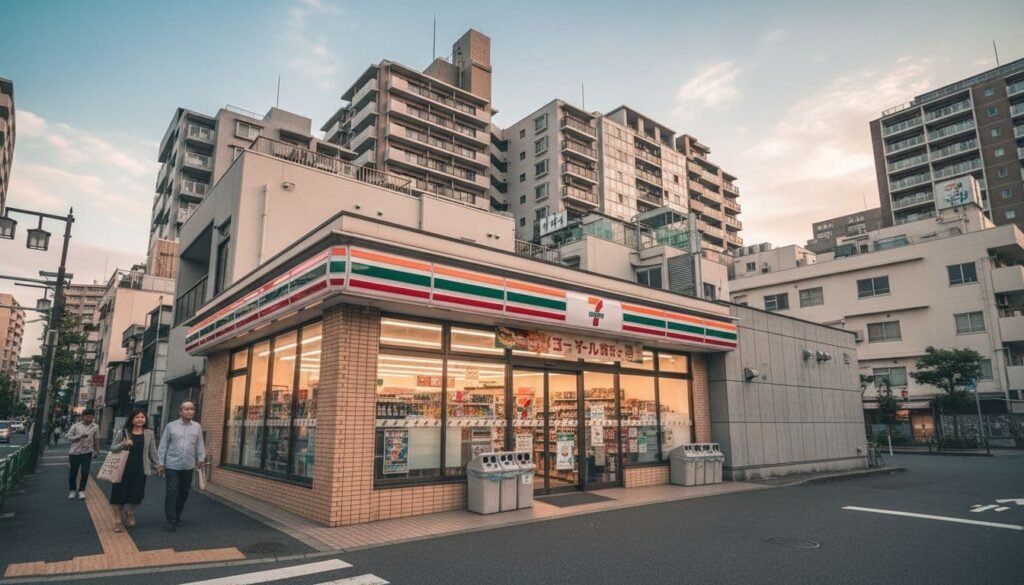
Convenience stores like 7-Eleven and Family Mart are everywhere in Japan and sell food. But grocery stores (called “supermarkets”) have more options and better prices. If you’re in a city center, you’ll easily find supermarkets.
Where to Find Supermarkets
Look for supermarkets in several places:
- Connected to or inside major train stations
- In the basement floors of department stores
- In shopping malls
- As standalone stores in residential areas
Many department stores have large food sections in their basements called “depachika.” These offer premium prepared foods and are worth exploring.
What Food Can You Find?
The prepared food section (often called “deli” or “prepared foods”) usually sits along the walls or edges of the store. You’ll find:
- Rice balls (onigiri) with various fillings
- Sushi and sashimi
- Grilled chicken skewers (yakitori)
- Fried foods like karaage (fried chicken) and tonkatsu (breaded pork)
- Salads
- Noodle dishes
- Bento boxes (complete meals in a box)
- Sandwiches
- Seasonal items
Hot and Cold Options
Some items are served cold and need heating. Many supermarkets have microwaves in the packing area where you can heat your food after paying. If not, almost every hotel has a microwave available for guests, usually in the lobby or on each floor.
When to Shop
Here’s a money-saving secret: many supermarkets discount their prepared foods in the evening, usually after 7 or 8 PM. They want to sell items before the store closes, so they put discount stickers on prepared foods. You might find items marked down 20-50%. This is the best time to shop if you want maximum savings.
How Much Can You Save?
A restaurant meal in Japan might cost 1,500-3,000 yen or more. A filling meal from a supermarket might cost 500-1,000 yen. If you eat one supermarket meal per day instead of going to a restaurant, you could save 1,000-2,000 yen daily. Over a week-long trip, that’s 7,000-14,000 yen saved (around $50-$95).
Other Benefits
Shopping at supermarkets isn’t just about saving money. After a long day of walking and sightseeing, it’s nice to relax in your hotel room. You can eat at your own pace, rest your feet, and plan the next day. No need to deal with restaurant crowds or wait for service.
You can also try foods you might not order in a restaurant. Supermarkets give you a chance to experiment with different Japanese foods at low prices.
Don’t Miss Out on Restaurants
This tip doesn’t mean you should never eat at restaurants. Japanese restaurants offer amazing experiences, and you should definitely enjoy them. But eating one or two meals from supermarkets during your trip helps balance your budget. You can save money on some meals and splurge on special restaurant experiences.
Make Your Japan Trip Amazing
These five simple strategies will help you travel smarter in Japan. You don’t need to be an experienced traveler to use these tips. They’re easy to implement and will make a real difference in your trip.
Quick Recap
Use shipping boxes instead of buying expensive luggage. This simple change saves over $100. Book private airport transfers for stress-free arrivals and departures. Choose multi-city flights to maximize your vacation time. Shop at Yodobashi or Bic Camera for tax-free deals on electronics and other items. Buy some meals at grocery stores to save money without sacrificing quality.
The Big Picture
Travel is about experiences, not stress. These tips remove common problems that frustrate travelers. When you don’t waste time and money on preventable issues, you can focus on what matters: enjoying Japan’s incredible culture, food, and attractions.
Start Planning
Use these strategies when planning your Japan trip. Research multi-city flight options. Find the locations of Yamato Transport offices, Yodobashi Camera stores, and supermarkets near your hotels. Book airport transfers in advance. Make a shopping list of items you want to buy tax-free.
Japan is an amazing destination with so much to offer. With smart planning and these practical tips, you’ll have more time and money to create unforgettable memories. Your trip will be smoother, less stressful, and more enjoyable.
Safe travels, and enjoy your adventure in Japan!